Rental Deposit in Germany (Kaution): Maximum Amount, Installments & Getting It Back (2026)
1. Dezember 2025· Updated August 15, 2026

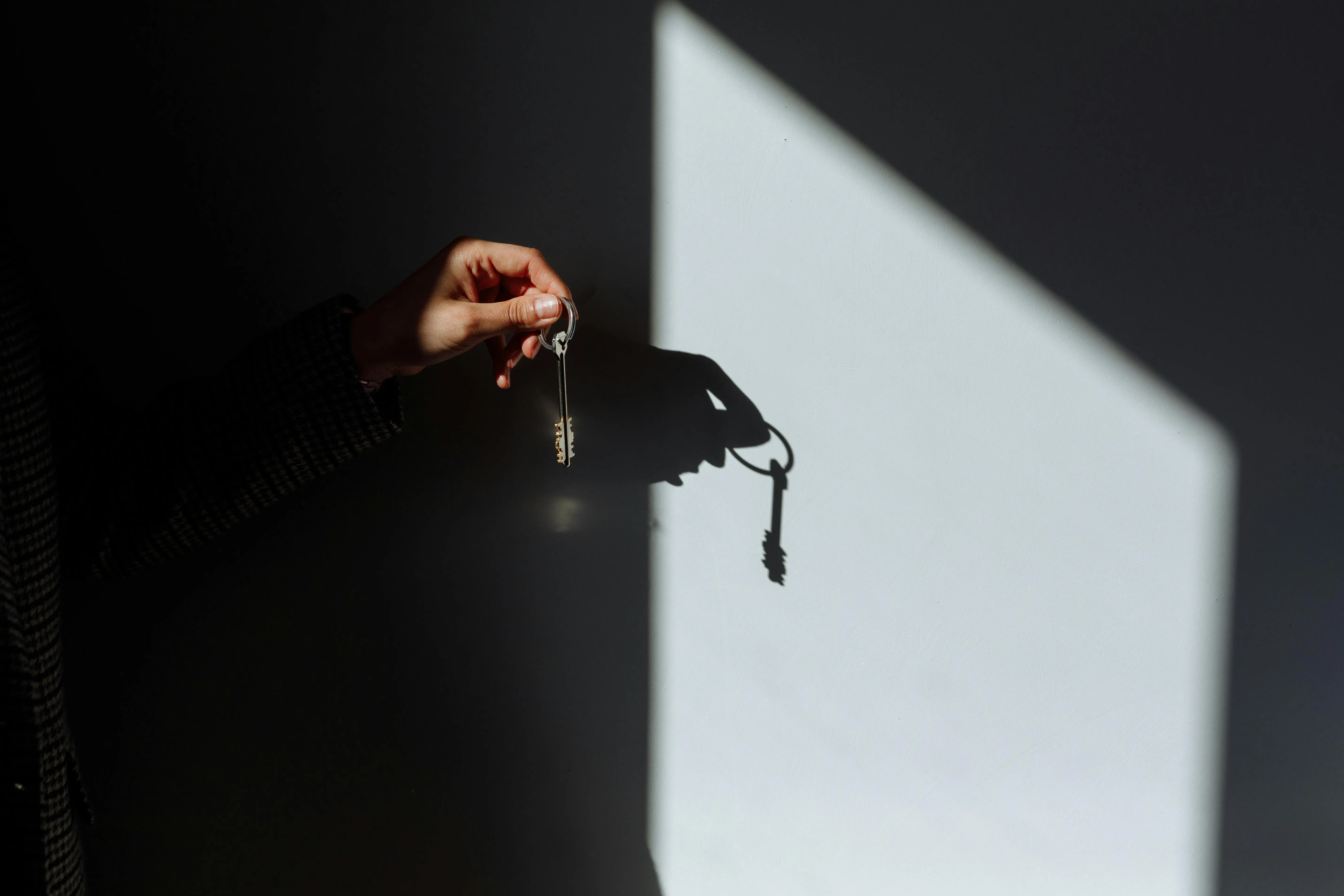
Photo by Moja Msanii on Unsplash
This article is for informational purposes only and does not constitute legal advice. We take no liability for actions based on this content.
Moving into a new apartment in Germany comes with an important financial requirement: the rental deposit, known as Mietkaution or simply Kaution. This security deposit protects the landlord against potential damages or unpaid rent, but as a tenant, you have strong legal protections under German law, specifically §551 BGB (German Civil Code).
Whether you're moving to Germany for the first time or switching apartments, understanding how the deposit works will help you budget correctly and protect your rights.
Quick Summary: German Rental Deposit Rules (§551 BGB)
| Rule | Details |
|---|---|
| Maximum amount | 3 months cold rent (Kaltmiete) |
| Payment | Can be paid in 3 monthly installments |
| Storage | Must be in separate, interest-bearing account |
| Return | With interest, typically 3-6 months after move-out |
| Legal basis | §551 Bürgerliches Gesetzbuch (BGB) |
What the rental deposit is
The rental deposit is a sum tenants pay to landlords before or when moving into a rental property. It exists to protect the landlord financially. If you leave without paying your final rent, cause damage beyond normal wear and tear, or have outstanding utility bills, the landlord can use the deposit to cover those costs.
But here's the crucial part: this is not the landlord's money to spend. By law (§551 BGB), your deposit must be held in a separate account and returned to you, with interest, when you move out, assuming there are no legitimate claims against it.
§551 BGB in plain English
§551 of the German Civil Code (Bürgerliches Gesetzbuch, BGB) is the single law that governs rental deposits. Here's what it actually says, translated into plain language:
The relevant law is section 551 BGB (Mietsicherheit), and in plain terms it comes down to four points:
- (1) If the tenant has to provide a security deposit for the fulfilment of his duties, the deposit may not exceed three times the monthly rent, excluding any charges shown separately as operating costs (Betriebskosten). In plain words: the cap is three times the cold rent (Kaltmiete), not the warm rent (Warmmiete).
- (2) If the security deposit is to be paid as a sum of money, the tenant is entitled to three equal monthly instalments. The first instalment is due at the start of the tenancy. Any rental contract clause trying to override this is void.
- (3) The landlord must invest the deposit separately from his own assets at the customary rate of interest for savings deposits with a statutory period of notice of three months. The interest belongs to the tenant and increases the security. Deviations for public-benefit housing are permitted.
- (4) Any agreement that deviates to the disadvantage of the tenant is ineffective (unwirksam).
This is why you'll see "§551 BGB" cited repeatedly in German rental discussions: it's the legal backbone of every rental deposit in the country.
Is the deposit max 3 months? (Maximum amount)
Yes. Under §551 BGB, the maximum rental deposit in Germany is three months of cold rent (Kaltmiete), the base rent before utilities. If your Kaltmiete is €800, the most a landlord can ask is €2,400. Any contract clause demanding more is void.
German law under §551 BGB caps the maximum rental security deposit at three months of cold rent (Kaltmiete), the base rent before utilities and additional costs. So if your Kaltmiete is €800 per month, the maximum deposit would be €2,400. The landlord cannot legally ask for more than this, regardless of how expensive or desirable the apartment is. If your contract demands a higher deposit, that clause is void.
One common point of confusion: the deposit is calculated on the cold rent, not the warm rent (which includes heating and utilities). Always check which figure is being used when you calculate your expected deposit.
Can I pay the Kaution in installments?
Yes. Under §551 BGB, every tenant has the right to pay the deposit (Kaution) in three equal monthly installments. The first is due when you move in, the next two with the following two months' rent. The landlord cannot override this, even if the contract demands full payment upfront.
This is one of the strongest tenant protections in German rental law. Under §551 of the German Civil Code (BGB), you have the legal right to pay your deposit in three equal monthly installments. The first is due when you move in, and the remaining two are paid alongside your rent over the following two months.
This right cannot be overridden by the rental contract. Even if your landlord insists on full payment upfront, or the contract explicitly states the deposit must be paid in full upon signing, you can still choose to pay in three parts. The law is on your side. For a full checklist of illegal contract clauses, see our Mietvertrag red-flags guide.
How must the landlord store your deposit?
German law requires landlords to keep your deposit completely separate from their personal finances. They must place it in a designated savings account (Sparkonto) where it earns interest at the standard rate for savings deposits. When you move out, you're entitled to get back both your original deposit and any interest it has accumulated.
This separation isn't just administrative. It protects you if the landlord faces financial trouble or bankruptcy. Because the deposit is held separately, it remains yours and cannot be seized by the landlord's creditors.
Many landlords use a a special deposit account (Mietkautionskonto) designed specifically for rental deposits. Some may also accept alternatives like a bank guarantee (Kautionsbürgschaft), where the money stays in your account but is blocked as collateral.
Alternatives to paying cash
Saving up three months' rent on top of moving costs, first month's rent, and agency fees can stretch anyone's budget. Fortunately, there are alternatives that let you preserve your savings.
Deposit insurance (Mietkautionsversicherung) allows you to pay a small annual fee, typically 3-5% of what the deposit would be, while an insurance company provides a guarantee to the landlord. These services have become increasingly popular in 2026, with several new providers entering the market and driving fees down, making them a more attractive option than ever for tenants who prefer to keep their savings liquid. This keeps your cash free for furniture, emergencies, or simply having a financial cushion. The downside is that these fees add up over time and you never get them back, unlike a traditional deposit that returns to you.
A bank guarantee (Kautionsbürgschaft) works differently: your bank issues a letter promising to pay the landlord if needed, while your money stays in your account but remains blocked. You might earn interest on it, and it looks professional to landlords. However, banks may charge fees for this service, and the money isn't truly accessible to you during the tenancy.
Finally, a deposit savings book (Mietkautionssparbuch) is a savings account opened in your name that the landlord holds as security. When you move out, you receive the book back along with any accumulated interest.
What happens when you move out?
The move-out process has three phases. First comes the apartment handover (Wohnungsübergabe), a walkthrough where you and the landlord inspect the apartment together. You'll compare its current condition against how it was documented when you moved in, and any damage is recorded in a handover protocol (Übergabeprotokoll). This is why documenting everything with date-stamped photos at move-in is so important. It becomes your evidence if there's ever a dispute.
After the walkthrough, the landlord has the right to hold the deposit for a reasonable period, typically three to six months, to wait for the final utility bill and assess any repair needs. Courts generally accept this timeline, though for utility bills specifically, landlords can hold a portion for up to twelve months.
Finally, you should receive your deposit back, minus any justified deductions, along with the interest earned. The landlord must provide an itemized breakdown of any amounts withheld.
What can the landlord deduct?
Landlords can only make deductions for genuine costs: damage beyond normal wear and tear, unpaid rent or utilities (with documentation), cleaning if you truly left the place dirty, and unreturned items like keys or parking remotes.
The key phrase here is "beyond normal wear and tear." Faded paint from sunlight, minor scuff marks on walls, worn carpet in high-traffic areas, small nail holes from hanging pictures, and slightly discolored bathroom grout are all considered normal. You shouldn't be charged for these. However, large holes in walls, broken windows or doors, significant stains or burns, pet damage, and missing fixtures that should have stayed are all fair game for deductions.
The distinction matters because many landlords try to deduct for normal wear, counting on tenants not knowing their rights. If a deduction seems excessive, challenge it.
Your rights if there's a dispute
When a landlord makes unreasonable deductions or refuses to return your deposit, you have options. Start by requesting an itemized statement. They must explain exactly what each deduction covers. Counter with your evidence: the move-in photos, the signed protocol, any receipts for repairs you made.
If that doesn't work, send a formal written letter giving them a deadline (usually 14 days) to return the money. Many disputes resolve at this stage when landlords realize the tenant knows their rights.
For stubborn cases, the tenant association (Mieterschutzbund) offers legal advice and support. Small claims court (Amtsgericht) handles disputes up to €5,000 and is designed to be accessible without a lawyer, though having one helps.
Making the process smooth
The secret to a hassle-free deposit experience is documentation. When you move in, photograph and video everything: every scratch, every stain, every quirk of the apartment. Get the handover protocol signed by both parties. Keep receipts for your deposit payments.
During your tenancy, report problems early before they become bigger (and more expensive) issues. Keep the place well-maintained and save receipts for any repairs or improvements you make.
When moving out, clean thoroughly. Professional cleaning is worth considering if you want to avoid disputes. Fill small nail holes with filler. Never just hand over the keys; always insist on a formal walkthrough with the landlord present. And get everything in writing, including any confirmation that there are no claims against you.
Typical refund timelines
How long you'll wait depends on the situation. For straightforward cases with no claims, expect your deposit back within two to four weeks. If the landlord is waiting for the final utility bill, it can take three to six months. Minor repairs might add one to three months. Serious disputes over damages can drag on for six to twelve months and may require legal action.
If your landlord is taking too long without explanation, send a formal written request with a clear deadline. Often, that's enough to get things moving.
Common mistakes to avoid
The biggest mistake is paying more than three months' cold rent. It's illegal, and any excess should be returned. Many tenants also fail to document the apartment's condition at move-in, leaving them without evidence in disputes. Others leave without doing a formal walkthrough, accept verbal promises instead of written agreements, or don't realize they have the right to pay in installments.
Know your rights before you sign, and you'll avoid most problems.
Related resources
Understanding the deposit is just one part of renting in Germany. Because the deposit is always calculated on the cold rent and not the warm rent, it's worth knowing the difference between the two and how to read your annual operating-cost statement, both directly affect what you actually pay on top of rent. When you move out and want your deposit back, the address registration and deregistration process and the moving-out checklist with handover protocol become essential.
For the complete picture, check out our guides on how to find a flat in Germany as a foreigner, what documents you need to rent, and the best websites to find apartments across Europe.
Final thoughts
The rental deposit in Germany is a significant upfront cost, but the law firmly protects tenants. You have the right to pay in installments, your money must be kept separate and earn interest, and landlords can only make legitimate deductions.
The key to a smooth experience is documentation. Photograph everything, get protocols signed, and keep all receipts. When it's time to move out, you'll be glad you did.
And if you want a renting experience that's fair and transparent from the start, browse apartments on Domily. We're building a platform that puts tenants and landlords on equal footing.
Frequently Asked Questions
What is the maximum rental deposit (Kaution) in Germany?▾
Under §551 BGB, the maximum security deposit is three months of cold rent (Kaltmiete). For example, if your Kaltmiete is €800, the maximum Kaution is €2,400. Any contract clause demanding more is void.
Is the German rental deposit calculated on warm rent or cold rent?▾
The deposit (Kaution) is calculated on the cold rent (Kaltmiete), that's the base rent before utilities, not the warm rent (Warmmiete). This is fixed by §551 BGB. Always verify which figure the landlord uses before you sign.
Can I pay my German rental deposit in installments?▾
Yes. §551 BGB gives every tenant the right to pay the deposit (Kaution) in three equal monthly installments. The first is due when you move in, the next two with the following months' rent. This right cannot be overridden by the rental contract.
Does the German rental deposit earn interest?▾
Yes. The landlord must hold your deposit in a separate savings account, a dedicated rental deposit account (Mietkautionskonto), that earns interest at the standard rate for savings deposits. You receive both the deposit and accrued interest when you move out.
What does §551 BGB say about the security deposit?▾
§551 of the German Civil Code (Bürgerliches Gesetzbuch, BGB) caps the deposit at three months cold rent (Kaltmiete), guarantees the tenant's right to pay in three installments, and requires the landlord to hold it in a separate interest-bearing account on the tenant's behalf.
How long can a German landlord hold my deposit after move-out?▾
Typically 3–6 months. The landlord needs reasonable time to check for damages and wait for the final utility bill (Nebenkostenabrechnung). For utility claims specifically, they can withhold a portion for up to 12 months.
Try Domily
Fair renting in Germany. No subscriptions, no auto-renewal, no Inkasso.