How to Find an Apartment in Germany as a Student (2026 Guide)
18. Dezember 2025· Updated February 14, 2026

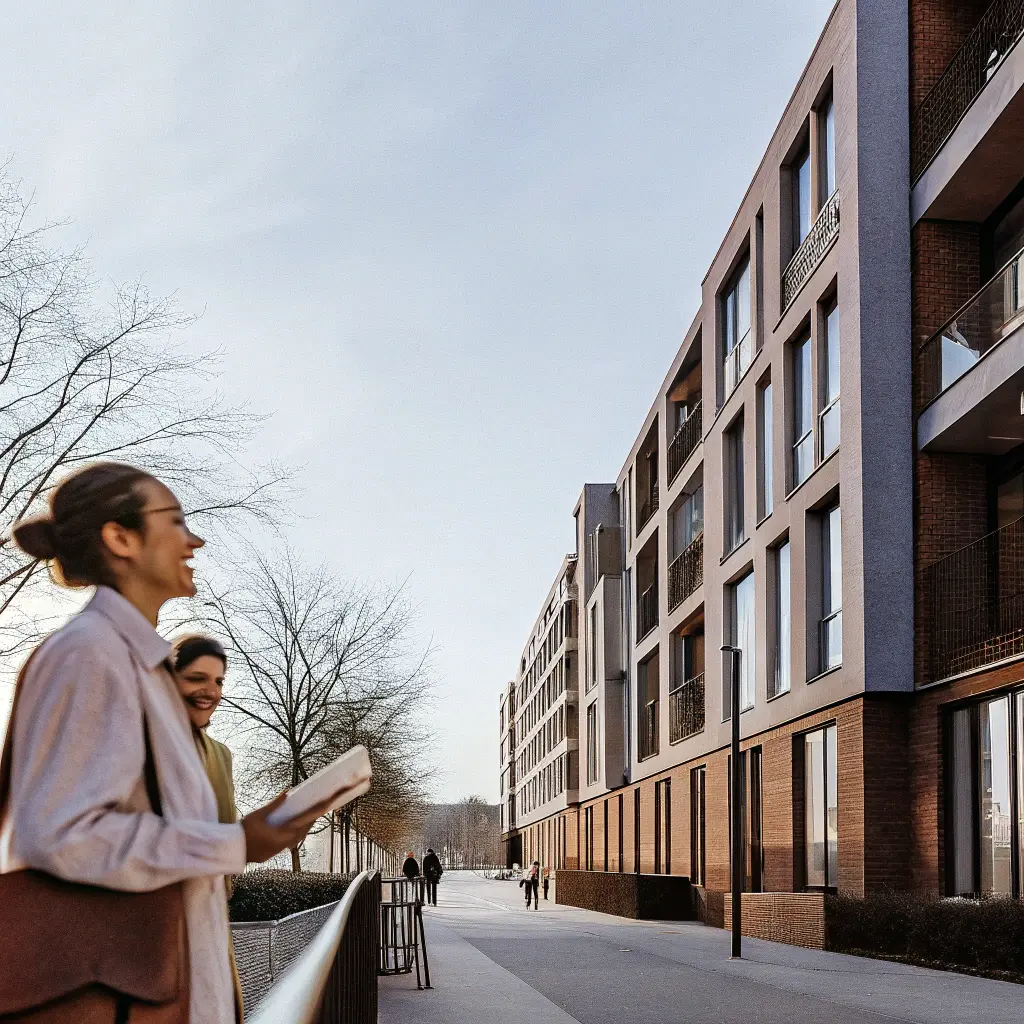
Photo by Element5 Digital on Unsplash
This article is for informational purposes only and does not constitute legal advice. We take no liability for actions based on this content.
The first week of October in any German university city feels like a small-scale housing crisis. Thousands of students flood in for the winter semester, all searching for the same limited pool of affordable rooms. Landlords field dozens of inquiries daily. WG residents sift through hundreds of messages for a single room. If you haven't started your search months earlier, you're already behind.
This intensity catches many students off guard, especially those coming from countries where finding a room takes days rather than weeks. Germany's rental market operates differently, and understanding these dynamics early gives you a crucial advantage over equally qualified competitors who started too late.
The housing landscape for students
Student housing in Germany falls into distinct categories, each with its own application process, cost structure, and lifestyle implications. Choosing the right fit depends on your budget, your need for privacy versus community, and how quickly you need to find something.
As of early 2026, many universities have expanded their online application portals for dormitories, making it possible to apply and track your waiting list position digitally. This is a welcome change from the paper-heavy processes of previous years.
University dormitories (Studentenwohnheime) offer the most affordable path, with rooms typically running €200-400 monthly including utilities. They're managed through each university's student services office (Studentenwerk), and the catch is waiting lists that can stretch months or even years in cities like Munich. Apply the moment you receive your admission letter, even if you're not certain you'll attend. Dropping out of a waiting list is easier than joining one late.
The shared flat, or WG (Wohngemeinschaft), represents the quintessential German student living experience. You rent a private room while sharing kitchen, bathroom, and living spaces with flatmates. Beyond the financial benefits-rooms run €300-600 depending on location-WGs offer social integration that's particularly valuable if you're new to Germany. Your flatmates become your first local friends, your guides to navigating bureaucracy, your recommendations for where to eat and study.
Private apartments exist but rarely make sense for students. A one-room flat in Munich might cost €900-1,200 monthly, demanding income documentation that students can't provide. Unless you have unusual financial resources or specific needs for privacy, a WG almost always serves you better during your studies.
Consider booking temporary accommodation for your first few weeks: a hostel, an Airbnb, or a short-term sublet. This gives you time to search in person, which matters enormously. Landlords and WG residents prefer meeting applicants face-to-face. You can evaluate neighborhoods, check public transport connections, and avoid committing remotely to an apartment that looks perfect online but sits next to a nightclub.
Timing your search strategically
The German university calendar creates predictable surges in housing demand. The winter semester starts in October, meaning serious searching should begin in June and intensify through August. The summer semester starts in April, so January through March marks the hot period.
If you're coming from abroad, try to arrive two to four weeks before your studies begin. This buffer lets you attend viewings, compete with local applicants, and handle the inevitable complications-a room that falls through, documents that need translation, a landlord who takes days to respond. Students who fly in the week before classes start often spend their first semester in suboptimal housing or crashing with acquaintances while continuing to search.
The timing advantage compounds. Early searchers get first pick of the best rooms. As the semester approaches, remaining options skew toward less desirable apartments and landlords who couldn't find tenants earlier. The desperate late-season energy also attracts scammers, who know that panicking students make easier targets.
Building your application without traditional income
Landlords and WG residents want to know you can pay rent reliably. Without traditional employment, you need to build an alternative picture of financial stability.
Your enrollment confirmation from the university establishes your legitimacy. It shows you're not randomly seeking housing but rather a student with reason to stay in the area for years. This matters more than you might expect; landlords worry less about students disappearing unexpectedly because the university provides an anchor.
International students typically arrive with a blocked account (Sperrkonto) containing approximately €11,904. This requirement, set by the German government for visa purposes, doubles as proof of financial resources for landlords. Provide a statement showing the balance and your monthly withdrawal limit-essentially demonstrating that you have a guaranteed income stream for at least a year.
German students receiving student financial aid (BAföG) can present their approval letter showing monthly amounts. The state-backed nature of student financial aid (BAföG) reassures landlords; it won't suddenly disappear because you switched jobs or a company laid off workers. Combined with perhaps a part-time job or family support, student financial aid creates a stable foundation.
The parental guarantee (Bürgschaft der Eltern) serves as a powerful tool when your own finances look thin. Your parents commit in writing to cover rent if you can't, backing this promise with their income documentation. Many student landlords prefer this arrangement because it shifts risk away from a young person with uncertain future earnings to established adults with track records.
Prepare copies of your passport and visa confirming your right to stay in Germany. As a new arrival, you won't have a SCHUFA credit report, so include a brief note explaining this and emphasizing your other financial documentation. Landlords familiar with international students understand the SCHUFA gap; those who don't can usually be educated with a sentence or two.
For a complete list of documents, see our guide on documents needed to rent an apartment in Germany.
Finding WG rooms effectively
WG-Gesucht.de dominates the shared apartment market (if you're not fluent in German, here's how WG-Gesucht works in English). Creating a strong profile here matters more than on any other platform-add a friendly photo, write a genuine description of yourself, and treat it as a dating profile for housing. The residents reviewing your message will click through to your profile; a blank page or minimal effort suggests you'll bring the same energy to shared living.
Each university's student services office (Studentenwerk) operates dormitory applications and often lists private housing options. Check your specific university's website early in your search; some maintain their own housing boards that don't appear on mainstream platforms.
University Facebook groups can surface opportunities that never hit the major websites. Search for "[Your University] WG" or "[Your City] Wohnungssuche" and join relevant groups. Rooms posted here often go to friends-of-friends, creating less competition than public listings.
Kleinanzeigen (formerly eBay Kleinanzeigen) attracts private landlords who prefer direct relationships over agency involvement. Competition can be lighter here, though you'll also encounter more amateur landlords who may not know the proper documentation process.
Domily offers a student-friendly alternative with no application fees and built-in document management, which simplifies the paperwork that often overwhelms first-time renters in Germany.
The art of WG applications
Applying for a WG room differs fundamentally from standard apartment applications. You're not just proving financial reliability-you're auditioning to become someone's housemate. The people living there will share their kitchen, their bathroom, their living room with you. They want to know you'll be pleasant to live with.
Generic messages fail spectacularly here. When a WG posts a listing mentioning they love cooking together and have a cat named Luna, and you send "Hello, I am interested in the room, I am a student at TU Berlin"-you've told them nothing about fit. Instead, mention that you enjoy cooking too and would love to contribute to shared meals. Note that you adore cats or at least have no allergies. Reference something specific from their listing that resonated with you.
Speed matters almost as much as quality. Popular rooms attract fifty messages within hours. Set up alerts on WG-Gesucht so you're notified immediately when new listings appear. The WGs that receive your message first give you disproportionately higher consideration simply because you're near the top of their inbox rather than buried in the pile.
Include a photo that presents you authentically. It doesn't need to be professional-a casual shot where you look friendly and approachable works perfectly. The people reviewing applications will try to picture you in their apartment; give them something to work with.
When invited to a viewing (often called a WG-Casting), treat it as a mutual interview. They're evaluating you, but you're also evaluating whether this living situation suits you. Ask about cleaning schedules, guest policies, noise expectations. Observe how the current residents interact with each other. Trust your instincts about fit-you'll spend months or years in this environment.
What housing costs across German cities
Budget expectations vary dramatically depending on where you study. Munich sits at the expensive extreme; a WG room might run €500-700 monthly, and a small apartment could easily exceed €1,000. Frankfurt and Hamburg follow at slightly lower price points. Berlin remains more affordable than its international reputation suggests, though gentrification continues pushing rents upward.
Cities in eastern Germany-Leipzig, Dresden, Jena-offer remarkable value. A WG room in Leipzig might cost €250-350, leaving far more of your budget for food, travel, and life. If your field of study allows flexibility about where you attend university, the cost-of-living difference between a Munich and a Leipzig can amount to thousands of euros saved annually.
Beyond base rent, budget €50-150 monthly for utilities (Nebenkosten) unless your rent explicitly includes them. The security deposit (Kaution) demands up to three months' rent upfront, though you can legally pay it in three monthly installments-a crucial option for students managing tight budgets.
Avoiding the mistakes that derail searches
Students who struggle with housing often share common patterns. The most damaging is starting too late. Searching in September for an October move-in means competing against everyone else who procrastinated, for the apartments that everyone else already rejected. Start months earlier, even if it feels premature.
Mass-sending identical messages wastes your time and everyone else's. Twenty personalized applications outperform a hundred copy-paste blasts. Quality shows; recipients can tell when you've actually read their listing versus when you're spraying messages across the platform hoping something sticks.
Having documents ready to send within hours matters. When a landlord or WG expresses interest, they want to move forward quickly. "I'll send my documents tomorrow" loses to "Documents attached" from a competitor. Keep your application package-enrollment confirmation, financial documentation, copy of ID-organized and ready to attach at a moment's notice.
Scammers specifically target students, especially international students who may not recognize local red flags. Never pay money before seeing an apartment in person and signing a contract. Listings with rent dramatically below market rates often turn out to be scams. If a "landlord" claims to be abroad and offers to mail you keys after receiving a deposit, walk away immediately.
After moving in, remember to register your address at the Bürgeramt within 14 days-this is a legal requirement in Germany. Your landlord must provide a confirmation of residence (Wohnungsgeberbestätigung) for this registration.
Guidance for international students
If you're arriving from abroad, a few additional considerations apply. Try to arrive early rather than cutting timing close. Having your blocked account set up before arriving prevents last-minute financial scrambles. Getting a German phone number and bank account quickly establishes the infrastructure landlords expect.
Learning basic German phrases for viewings helps, even if your eventual communication will happen in English. A simple "Hallo, ich freue mich, die Wohnung zu sehen" signals effort and respect. Many WGs communicate primarily in German even if all members speak English.
Consider committing to temporary housing for your first month rather than signing a lease remotely for something you've never seen. What looks perfect in photos might sit next to construction, or the "quiet neighborhood" might be anything but. A month on the ground lets you make informed decisions about where you actually want to live.
The effort of navigating German student housing pays off. Once you're settled in a good WG with compatible flatmates, you've built more than a place to sleep-you've gained your first community in a new country, a launching pad for everything that comes next.
For more detailed guidance on the German rental market, check out our complete guide on how to find an apartment in Germany as a foreigner.
Try Domily
Fair renting in Germany. No subscriptions, no auto-renewal, no Inkasso.