Moving Out of Your German Apartment: Complete Checklist & Übergabeprotokoll Guide (2026)
9. Januar 2026· Updated August 15, 2026
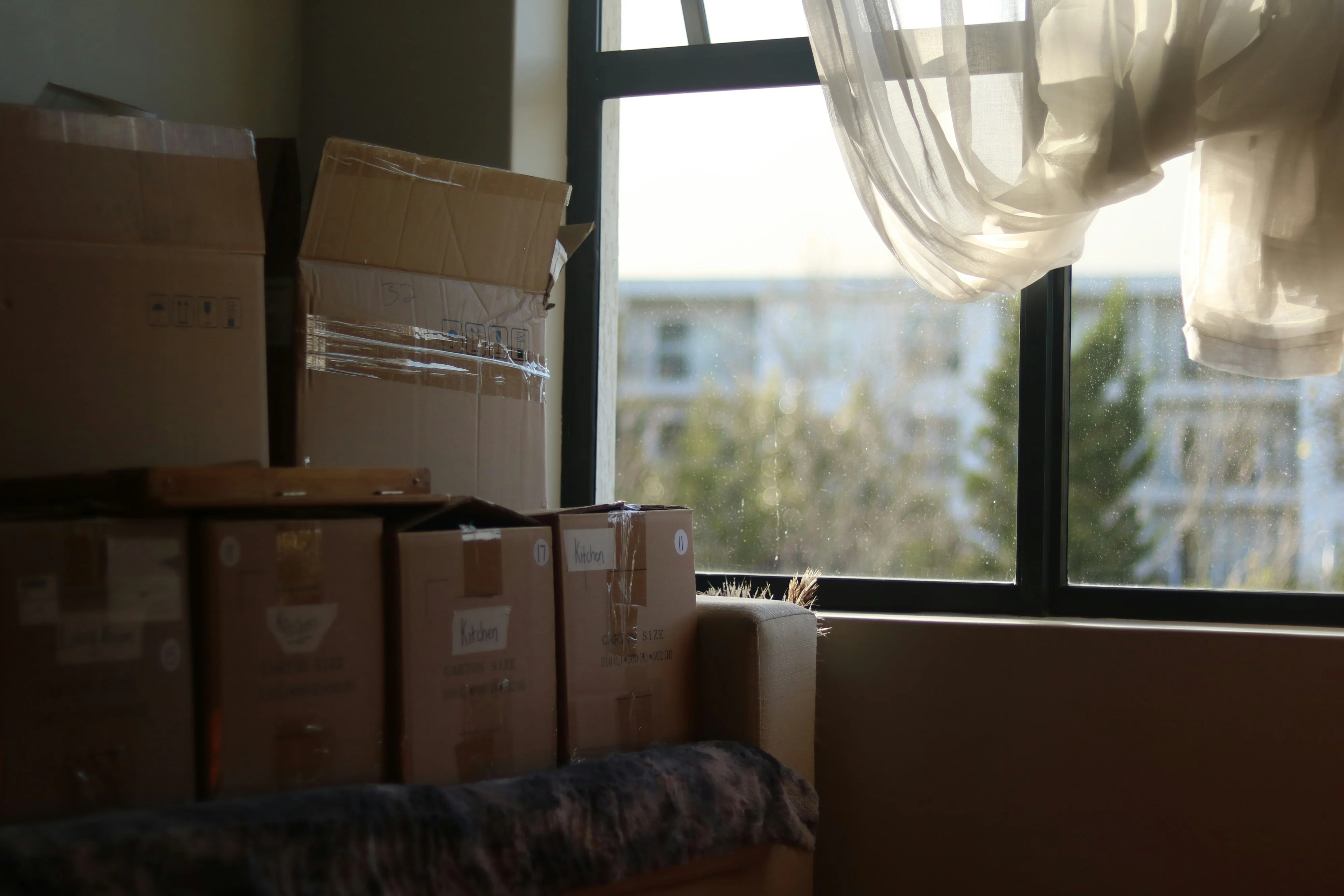
Photo by Alicia Christin Gerald on Unsplash
This article is for informational purposes only and does not constitute legal advice. We take no liability for actions based on this content.
Moving out of a German apartment involves more than packing boxes and handing over keys. From the moment you give notice to the day you receive your deposit back, there are legal requirements, practical steps, and potential pitfalls to navigate. A smooth move-out protects your deposit and avoids disputes with your landlord.
This guide walks you through everything: when and how to give notice, what to do in the months before moving, how to handle the apartment handover, and what happens to your deposit (Kaution) after you leave.
Timeline: when to give notice
German rental law gives tenants the right to terminate their lease with three months' notice. This is a legal minimum that cannot be shortened by your rental contract, even if your contract says something different.
The notice must be received by your landlord by the third working day of a month to be effective from the end of that month plus three months. For example, if your landlord receives your notice by January 3, your lease ends on April 30.
If you miss that deadline by even one day, your termination shifts to the next month. Notice received on January 4 means your lease ends on May 31, not April 30.
Your notice must be in writing. A paper letter with your handwritten signature is the safest method. Email is not legally sufficient unless your rental contract explicitly allows it. Send the letter by registered mail (Einschreiben) so you have proof of delivery.
The notice should include your name and current address, a clear statement that you are terminating the rental contract, the date you intend to move out, your signature, and the date of writing.
Month-by-month checklist before moving
About three months out, send your termination notice (Kündigung) straight away if you have not already, confirm the landlord received it, and start lining up a moving company or friends while you declutter and sell or donate whatever you will not take. Around two months before, tell your electricity and gas providers your move date so they can prepare a final meter reading and bill, arrange transfers if you are staying in Germany, re-read your contract for any move-out requirements, and begin the deep clean or book cleaners. A month before, schedule the handover (Wohnungsübergabe) with your landlord, ideally a weekday morning with good daylight so you can both inspect properly, and make the small repairs, filling nail holes, touching up scuffs, and replacing bulbs you took or broke, checking the cosmetic-repairs (Schönheitsreparaturen) clause if there is one. Two weeks before, cancel or transfer internet and phone (they have their own notice periods), tell the Rundfunkbeitrag office, update banks, insurers and subscriptions, and do a thorough clean if you have not hired anyone. And in the final week, gather every key including copies, get the meters ready for their final readings, photograph the flat in its clean state, and check that everything listed in your move-in protocol is present and working.
Cosmetic-repair clauses (Schönheitsreparaturen)
Cosmetic repairs (Schönheitsreparaturen) are things like painting walls, refinishing floors, or fixing wallpaper. German rental contracts historically required tenants to perform these when moving out, but court decisions have invalidated many such clauses.
The current legal position: if the apartment was not freshly renovated when you moved in, you generally cannot be required to renovate when leaving. Clauses requiring repairs on fixed schedules (repaint every three years regardless of condition) are typically unenforceable.
If your contract has a cosmetic-repairs clause, check whether the apartment was freshly renovated at move-in, whether the clause uses flexible wording rather than rigid timelines, and whether the required work matches actual wear from your tenancy. Consulting a tenant association (Mieterverein) before doing expensive work can save money, many tenants repaint unnecessarily because they do not know the clause in their contract is invalid.
However, this does not mean you can leave the apartment damaged. The term refers to cosmetic refreshing, not damage repair. Holes bigger than nail holes, significant stains, or broken fixtures are your responsibility regardless of any clause.
Cleaning expectations
German standards for cleanliness at move-out are high. The apartment should be ready for the next tenant to move in immediately.
This means all rooms swept and mopped or vacuumed, kitchen thoroughly cleaned including inside oven, refrigerator (if included), and cabinets, bathroom fully cleaned (toilet, shower, sink, tiles, mirrors), windows cleaned inside, all fixtures and outlets wiped down, balcony swept, and storage areas (basement, etc.) emptied and swept.
Professional cleaning is worth considering if you lack time or want to avoid disputes. Costs range from 100 to 300 euros depending on apartment size. Keep the invoice as proof. A practical tip: take a short video walkthrough of the cleaned apartment before the handover, in addition to photos. Video evidence with timestamps is increasingly accepted in German courts and provides more comprehensive documentation than still images alone.
Leaving the apartment dirty gives your landlord grounds to hire cleaners and deduct the cost from your deposit. Professional cleaning arranged by the landlord often costs more than if you had done it yourself.
The handover protocol (Übergabeprotokoll)
The handover protocol is a document created during the apartment handover that records the condition of the apartment when you leave. Both you and the landlord sign it, creating a shared record that prevents later disputes.
The protocol should note the date and time of handover, names of everyone present, meter readings for all utilities, condition of each room, any damage or issues observed, number and type of keys returned, and any agreements about repairs or deductions.
Walk through every room systematically with the landlord. Open all closets and cabinets. Test lights, outlets, faucets, and appliances. Check windows open and close properly. Note everything, even minor issues.
If the landlord claims damage, do not simply accept it. Compare against your move-in protocol and photos. Normal wear and tear is not damage. Faded paint, minor scuffs, small nail holes, and worn carpet in traffic areas are expected after years of living.
Take photos during the handover with timestamps. If a dispute arises later, these prove the apartment's condition at transfer.
Key handover
Returning keys properly matters for your deposit. The landlord may withhold money if keys are missing or you cannot prove you returned them.
Gather all keys: the original set provided at move-in plus any copies you made. This includes apartment door keys, mailbox keys, basement or storage keys, and building entrance keys.
Count the keys in front of the landlord and have them confirm receipt in the handover protocol. If you mail keys instead of handing them over in person, use registered mail with tracking and declared value.
Never just drop keys in the mailbox without documentation. If the landlord later claims they never received them or a key is missing, you have no proof.
Getting your deposit back
The deposit return process can take several months. German law does not set a specific deadline, but courts generally consider three to six months reasonable for the landlord to identify any claims and return the remainder.
The landlord can retain part or all of your deposit for damage beyond normal wear and tear, unpaid rent, outstanding utility costs (until the final operating-cost statement is issued), and costs of repairs you were obligated to make but did not.
For that final statement (Nebenkostenabrechnung), the landlord may hold back a reasonable portion of your deposit, often one or two months' worth of operating costs, until the utility reconciliation is complete. This can take up to 12 months after the billing period ends.
The deposit must be returned with interest earned during your tenancy. German law required landlords to keep deposits in separate, interest-bearing accounts.
If your landlord refuses to return the deposit or makes unreasonable deductions, respond in writing with specific objections. Request itemized explanations and receipts for any claimed costs. If necessary, contact a tenant association or consider small claims court for amounts the landlord wrongfully withholds.
For complete details on deposit rules, see our guide on how the rental deposit works in Germany.
Meter readings
On your last day, document final readings for all utility meters. This includes electricity, gas, and water if your building has individual meters.
Write down the meter location and number, the final reading with date, and take photos of each meter showing the reading.
Report readings to your utility providers immediately. This ensures you are billed only for your actual consumption and prevents disputes about usage during the transition.
If the landlord handles utility contracts directly (common with heating and water in multi-unit buildings), the meter readings go into the handover protocol and will be used for your final operating-cost statement.
Canceling contracts
Several contracts need attention when you move.
Electricity (Strom) usually needs two weeks to a month's notice, so arrange a final reading and bill, and transfer the contract to your new address if you are staying in Germany. Internet and phone often run longer, sometimes three months, so check the contract carefully, though some providers let you take it with you. Update your health, liability and household insurance with the new address, and if you are leaving Germany decide whether to cancel or keep each policy. Tell the Rundfunkbeitrag office of the change or deregister, providing proof such as flight tickets or a new foreign address to stop the billing if you are leaving for good. Update the registered address on your bank accounts, and if you are closing German accounts make sure standing orders and incoming transfers are redirected first. And Deutsche Post offers mail forwarding (Nachsendeauftrag) for a fee, which redirects your post from the old address to the new one for six to twelve months.
Deregistering when leaving Germany (Abmeldung)
If you are leaving Germany permanently, you must deregister (Abmeldung) at the local citizens' office (Bürgeramt). This officially removes you from the German population register.
You can deregister up to one week before departure or within two weeks after leaving. If you wait until after departure, you can submit the form by mail with a copy of your ID.
Bring or send your passport or ID, the deregistration form (available online or at the citizens' office), and proof of departure (flight ticket, new foreign address).
You receive a deregistration certificate (Abmeldebestätigung). Keep this document, you may need it for tax matters or if you return to Germany later.
Failing to deregister can cause complications: continued tax obligations, problems with future visa applications, or issues registering again if you return.
What your tenant rights protect
German tenant protection law applies throughout the move-out process. Key protections relevant to leaving include:
Your landlord cannot enter the apartment without your permission until your tenancy officially ends, even after you have moved your belongings out.
Deductions from your deposit must be documented and justified. You have the right to challenge unreasonable claims.
You cannot be charged for normal wear and tear. Paint fading, minor floor wear, and small nail holes are expected.
Invalid cosmetic-repairs clauses cannot be enforced. If your contract requires cosmetic work under circumstances that German courts have ruled unenforceable, you do not have to do it.
For a complete overview, see our guide on tenant rights in Germany and details about rental contract terms.
Common mistakes to avoid
The expensive mistakes are easy to avoid once you know them. Give notice even a day late and you owe another full month's rent. Skip a signed handover protocol and photos and any later damage claim becomes hard to dispute. Accept a verbal promise, to return the deposit quickly or to waive a charge, and it means nothing without something in writing. Leave without a proper key handover and you hand the landlord a reason to hold back deposit money. Miss the notice period on an internet or phone contract and it can cost you months of payments you do not need. And skip the deregistration and you create bureaucratic problems that can follow you for years.
Summary
Moving out of a German apartment requires attention to detail and good documentation. Give written notice three months in advance. Clean thoroughly and handle any legitimate repair obligations. Document the apartment condition in the handover protocol. Return all keys with written confirmation. Cancel or transfer utility contracts on time.
Your deposit should return within a few months, minus any justified deductions. If the landlord makes unreasonable claims, know your rights and dispute them formally.
A well-executed move-out protects your money and closes this chapter cleanly, letting you focus on what comes next.
Try Domily
Fair renting in Germany. No subscriptions, no auto-renewal, no Inkasso.