How to Get Accepted in a German Flatshare (WG): Application Tips That Actually Work (2026)
11. Januar 2026· Updated August 30, 2026
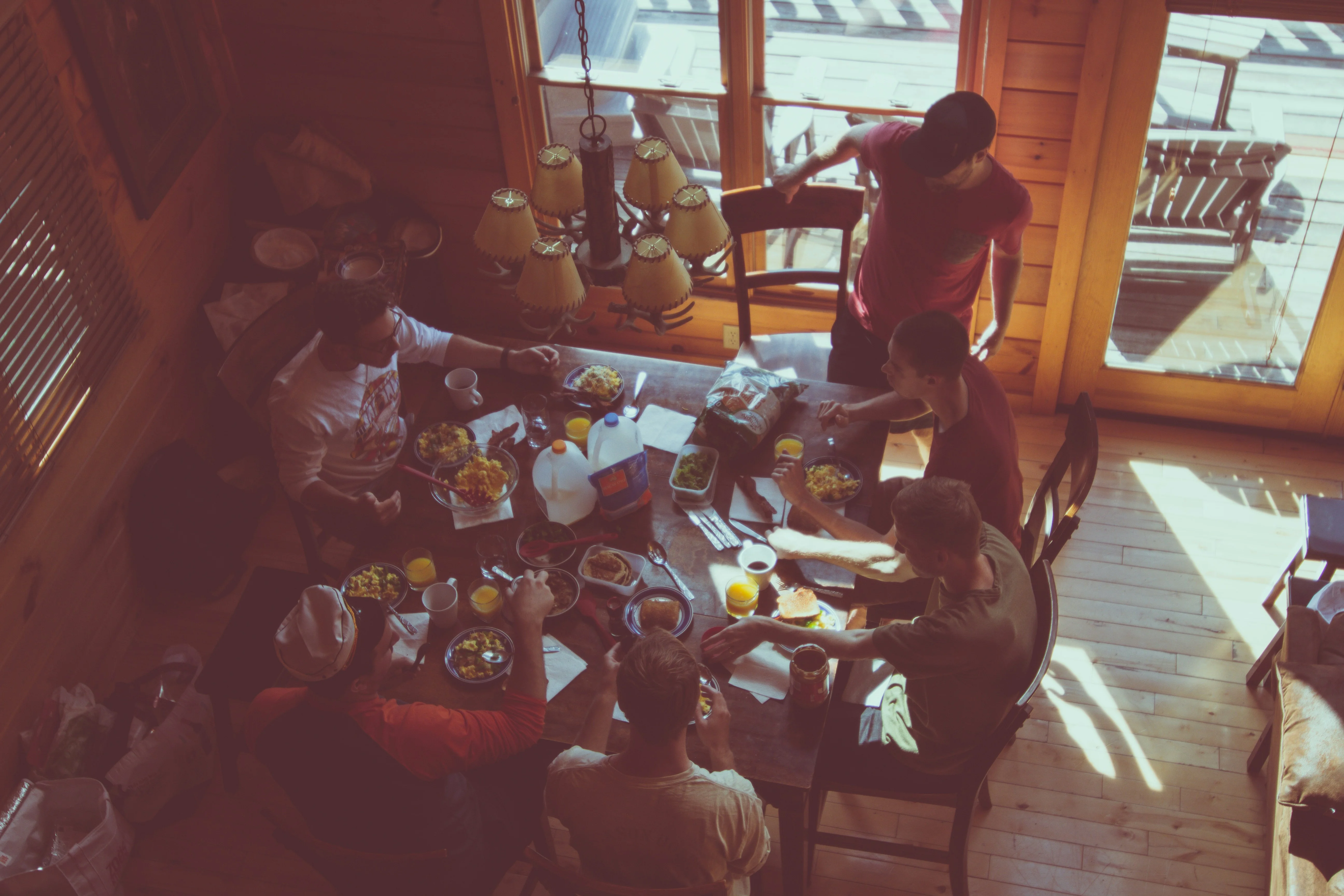
Photo by Zach Reiner on Unsplash
Finding a room in a German WG (Wohngemeinschaft, or shared apartment) is different from applying for a normal apartment. The existing roommates are not just evaluating your financial stability or rental history. They are deciding whether they want to live with you as a housemate, share a kitchen and bathroom, and see you every day.
This guide explains how WG applications actually work in Germany, how to write messages that get responses, what to expect at the viewing, and how to increase your chances of being accepted.
Understanding WG culture in Germany
A WG is a shared apartment where multiple people rent together, each with their own room but sharing common spaces like kitchen, bathroom, and living room. WGs are extremely popular in Germany, especially among students and young professionals in expensive cities where renting alone is unaffordable.
Not all WGs are the same. Understanding the type of WG you are applying to helps you tailor your approach.
The most common is the Zweck-WG, a functional flatshare where people live together mainly to save money; interaction is minimal, everyone runs their own schedule, and communication happens when it has to, over cleaning rotas or shared bills. It suits anyone who wants privacy and little social obligation. A social WG is the opposite: the flatmates actually enjoy living together, cooking, film nights, birthdays, going out as a group, and because personality fit matters so much they tend to interview more thoroughly, so expect questions about your hobbies and what you want from a WG. A friends WG is an existing friend group under one roof; rooms rarely come up, and when they do the group usually wants someone who will slot into the dynamic, which makes it the hardest to join as an outsider. And a professional WG is working adults sharing a flat, generally tidier and more organised than a student one, often a bit older, with steady incomes and a certain expected standard.
The listing often hints at the WG type. Descriptions emphasizing "We like to cook together" or "Looking for someone social" indicate a social WG. Listings focused on "Quiet, clean, responsible" suggest a Zweck-WG.
WG platforms in Germany
WG-Gesucht is the largest and most popular platform for finding WG rooms in Germany. Most WG listings appear here first. Creating a profile, uploading a photo, and writing a good self-description is essential. In 2026, WG-Gesucht has also introduced verified profiles and premium features that boost visibility, so consider whether the paid tier is worth it if you are searching in a competitive city.
Studenten-WG focuses specifically on student housing. If you are a student, this is worth checking alongside WG-Gesucht.
Kleinanzeigen (formerly eBay Kleinanzeigen) has some WG listings, particularly from private landlords or smaller cities.
Facebook groups for specific cities often have WG postings. Search for "[City name] WG" or "[City name] Wohnungssuche" groups. Response rates can be better here because fewer people are competing.
University housing boards post WG rooms near campus. Check your university's website or student services office.
For general apartment hunting advice that also applies to WGs, see our guide on finding an apartment in Germany as a foreigner.
Creating your WG-Gesucht profile
Your profile is often the first thing WG residents see. A complete, genuine profile dramatically increases response rates.
Your photo should be clear and friendly, not a stiff passport shot, not a party picture, and not a group photo where nobody can tell which one is you; a relaxed image where you look approachable does the most work, and profiles without a photo mostly get skipped. Your self-description is just a short paragraph: your name and age, what you do and in what field, what brings you to the city, what you are after in a WG, and a couple of personal details or hobbies so you read as a person rather than a form.
Avoid generic descriptions that could apply to anyone. "I'm clean, reliable, and friendly" tells them nothing. "I'm a graphic design student who loves cooking Italian food and goes bouldering twice a week" paints a picture.
Write in German if you can, even imperfectly. It shows effort and integration. If your German is minimal, write in English but mention you are learning.
Writing your first message
The first message is your application. Generic messages copied to dozens of listings rarely get responses. Personalized messages that show you actually read the listing stand out.
Reference something specific from the listing. If they mentioned a balcony, looking for someone who likes plants, or that they have a cat, mention it. This proves you read what they wrote.
Introduce yourself briefly. Not your life story, but enough that they get a sense of who you are. Age, occupation, and what brings you to the city.
Explain why their WG appeals to you. What about their listing made you write? The location? The vibe they described? Something they mentioned you connected with?
Be yourself. Trying to sound like what you think they want to hear comes across as fake. Genuine messages work better.
End on an open note, suggesting you would love to come for a viewing or a coffee to get to know them.
The WG casting: what to expect
If your message works, you get invited to a "Besichtigung" (viewing) or "WG-Casting." This is essentially an interview combined with an apartment tour.
The format varies. Sometimes you come alone and meet the roommates. Sometimes multiple applicants are invited at the same time (a group casting). Sometimes it is casual coffee, other times it feels more formal.
Underneath every question they are really asking the same few things: are you reliable, will the rent arrive on time, will you clean up after yourself, and will you fit the way this WG lives, social if they are social, quiet if they are quiet. Expect the usual openers, why you are moving to the city, what you do, what your days look like, how you feel about shared dinners, quiet hours and guests, and whether you have lived in a WG before and how it went. Come with your own questions too, since they signal you are serious: how the cleaning is organised, whether groceries or cooking are shared, how often people have guests or stay over, what the atmosphere is like and whether everyone hangs out, why the last person is leaving, how long people have lived there, and how noisy it gets from the neighbours or the street.
Be yourself during the casting. Pretending to be more social or more quiet than you actually are will make living there uncomfortable later.
Red flags to watch for
Not every WG listing is legitimate. Scams exist, and some living situations are genuinely bad.
The classic landlord scam is someone who claims to be abroad and wants money before you have seen the place, promising to post the keys once you pay; never send anything before you have stood in the flat and met real people. Fake listings go hand in hand with it, photos lifted from other sites, prices that are too good to be true, descriptions that stay vague, and if it looks unrealistically perfect it usually is not real. Watch the room itself during the casting, too, because tension between the current flatmates, rolled eyes or open complaints about each other are a warning you are walking into. Ask whether the WG is official and whether you can register your address there, since some rooms are sublet without the landlord's permission and leave you with no legal protection if something goes wrong. And treat an unusually cheap price as a question rather than a bargain: WGs are cheaper than a solo flat, but a rent far below the market normally means a scam, an unusable room, or something that has not been mentioned.
What to do if you keep getting rejected
WG applications, especially in competitive cities like Berlin or Munich, can feel brutal. You might send dozens of messages and get only a few responses. Getting invited to castings and still not being chosen is discouraging.
Improve your messages. If you are not getting responses, your messages might be too generic. Personalize each one more. Show genuine interest in that specific WG.
Widen your search area. Neighborhoods further from the center or near the city edges are less competitive. The commute might be longer, but finding a place is easier.
Consider different WG types. If you keep getting rejected from social WGs, maybe Zweck-WGs are a better fit. Or vice versa.
Expand your platforms. WG-Gesucht is the main one (if German isn't your first language, see how WG-Gesucht works in English), but Facebook groups, university boards, and word of mouth can work. Tell everyone you know that you are looking. Rooms often go to friends of friends before being publicly listed.
Be patient. Finding a WG in Germany can take weeks or months, especially in popular cities. It is frustrating but normal.
For students specifically, see our guide on renting an apartment as a student in Germany.
Alternatives to WG-Gesucht
Beyond WG-Gesucht, the Studentenwerk offices at most universities run dormitories and sometimes WG-style housing below market rate, though the waiting lists are long, so apply early. Facebook groups are worth a search too, along the lines of "[City] WG", "[City] Wohnungssuche" or "[City] Housing", where groups like "WG-Gesucht Berlin Community" or "Flat/Rent in Munich" stay busy. The physical bulletin boards in university buildings and the online student forums still turn up listings, and your own network is often the best route of all, since plenty of rooms never get posted because someone in the WG already knows someone looking. And if nothing lands before you arrive, take a short-term sublet or a furnished room to get yourself into the city, because searching for a permanent WG is far easier once you are on the ground.
Documents you might need for a WG
WGs usually require less documentation than formal apartment applications, but having basics ready helps.
Copy of your passport or ID, proof of income or student enrollment, brief self-introduction if they request one, and SCHUFA credit report (rarely required but occasionally asked).
Most WGs care more about meeting you in person than seeing paperwork. However, if the main tenant or landlord needs documentation for official records, having it ready speeds things up.
For complete documentation guidance, see our guide on documents needed to rent in Germany.
Summary
Getting accepted into a German WG requires more than filling out applications. It is about showing that you are someone the existing roommates would enjoy living with.
Create a genuine WG-Gesucht profile with a good photo and honest self-description. Write personalized messages that reference specific things from each listing. At the casting, be yourself, ask thoughtful questions, and pay attention to whether the WG actually fits what you are looking for.
If rejections pile up, adjust your approach. Try different neighborhoods, expand to multiple platforms, and be patient. The right WG is out there, and when you find it, the effort will be worth it.
Try Domily
Fair renting in Germany. No subscriptions, no auto-renewal, no Inkasso.