WG-Gesucht in English: How German Flatshares (WG) Work (2026)
4. April 2026· Updated August 30, 2026
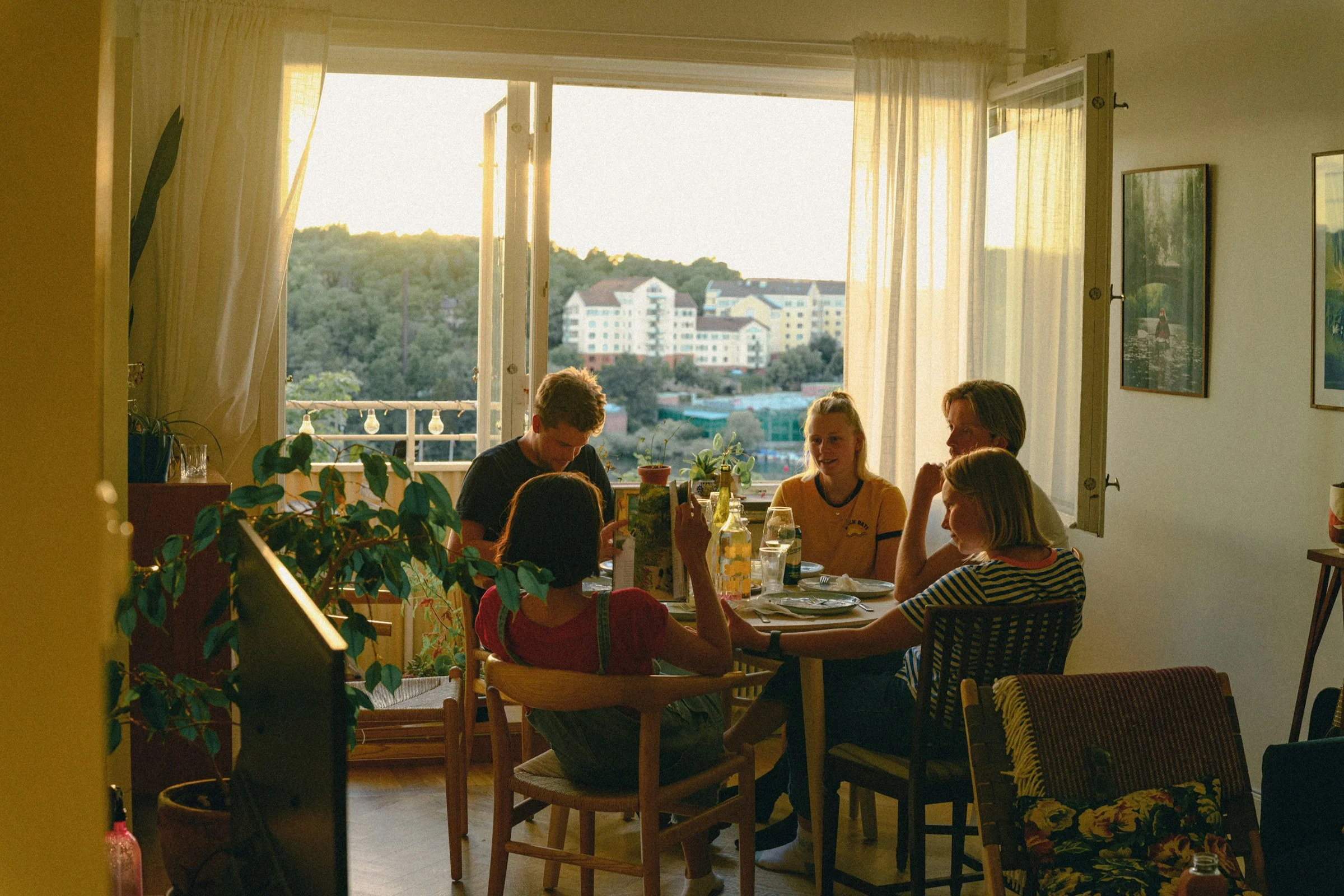
Photo by Karl Hedin on Unsplash
This article is for informational purposes only and does not constitute legal advice. We take no liability for actions based on this content.
If you are moving to Germany and searching for somewhere affordable to live, you will very quickly run into the term WG. It appears in rental ads, student Facebook groups, and casual conversations with locals. A WG, short for Wohngemeinschaft (literally "living community"), is a shared apartment where several tenants each rent a private bedroom and share the kitchen, bathroom, and living room. It is the single most common entry point to German housing for expats and students, yet the culture around it is barely explained in English anywhere.
This guide walks you through what a WG actually is, how flatshares work in Germany, how to use WG-Gesucht as an English speaker, and how to survive a WG-Casting when you finally get invited to one.
What a WG actually is
A WG is something you join, not something you book. There is no operator running the place, no host family, no concierge. It is simply a group of tenants who have decided to share a flat, usually to save money, sometimes for company, and often both. What distinguishes a WG from any other rental is that the flatmates pick the next flatmate themselves: they decide who joins, not the landlord.
A typical Berlin WG has three or four bedrooms. Each flatmate pays around €400 to €600 per month for their room including utilities, which is dramatically cheaper than a one-bedroom apartment at €900 to €1,400 on its own. In Munich the numbers run higher, in Leipzig and Dresden somewhat lower, but the structure is the same everywhere.
Why WGs are the fastest route to housing in Germany
Renting a full apartment in Germany as a foreigner is genuinely hard. You need a SCHUFA credit report, proof of income, a self-disclosure form (Selbstauskunft), and ideally a reference from your previous landlord. Without those documents, most German landlords will not even respond to your message. The paperwork expectation filters out almost everyone who just arrived in the country.
WGs bypass nearly all of this. The current flatmates pick the next one by vibe, not by credit file. If you are friendly, reliable, and seem like someone they would want to share breakfast with, you are in. The financial bar is low because the rent per room is low and the deposit is usually one to two months rather than the standard three.
The other reasons WGs dominate expat housing come down to logistics. Rooms usually come furnished with a bed, desk, and wardrobe, while German apartments rented whole typically arrive completely empty, sometimes without a kitchen or even light fixtures. Minimum stays are shorter, often three to six months, so you are not locked into a long contract before you know the city. And you arrive somewhere with people who already know where to get good bread, which Bürgeramt has the easiest appointments, and which local bar you should avoid on Friday nights.
How WG-Gesucht works
WG-Gesucht.de is the largest German platform for shared rooms. It also lists sublets, temporary flats, and whole apartments, but WG rooms are its core offering and the reason most people open the site.
The platform has an English interface, which you can switch on from the language selector at the top of the page. The interface is translated, but individual listings are written in whatever language the flatmates chose, which is almost always German. You can still understand them with translation tools, and many listings in Berlin, Hamburg, Leipzig, and Cologne are written by people comfortable replying in English.
When you search, start by picking your city and then narrow down by monthly budget, room size, move-in date, whether the contract is unlimited or temporary, and the age range of the current flatmates. The map view is worth using because it saves you from applying to rooms that turn out to be an hour's commute from your workplace. And set up search alerts (Suchaufträge) as soon as you create an account, in Berlin and Munich, new rooms vanish within hours, so getting an email the moment one appears is the difference between being the first applicant and the hundredth.
You will see a few listing types. A WG-Zimmer is a room in an existing flatshare, which is what most people are after. A 1-Zimmer Wohnung is a studio apartment, not a WG. A Wohnung is a full apartment, usually for a new group to move in together. Zwischenmiete is subletting, typically for one to six months while the original tenant is away on an exchange semester, a long trip, or parental leave.
The culture: what makes a WG different
Every listing specifies the vibe of the household, and the terminology matters. A Zweck-WG is a "purpose WG" where flatmates split costs but live separate lives, think shared kitchen but separate schedules. A normale WG or gemütliche WG ("normal" or "cosy" WG) has some shared meals, the occasional film night, and a generally friendly atmosphere without becoming a family. A familiäre WG is family-style, with regular dinners, movie nights, and actual friendships. You will also see Studenten-WG (exclusively students), Berufstätigen-WG (working people, usually 25+), and Frauen-WG or Männer-WG (women-only or men-only households).
Read the listing carefully before applying. If you prefer to come home and decompress alone, a Zweck-WG is for you. If you are arriving in a new city and feel lonely, a familiäre WG will change your life. Applying to the wrong type wastes everyone's time.
WGs run on informal agreements about cleaning rotas (Putzplan), groceries, quiet hours, and guests. The Putzplan rotates who cleans the kitchen, bathroom, and common areas each week. Groceries are usually individual (each person shops for themselves), while shared items like oil, salt, and spices get split. Quiet hours from 22:00 to 07:00 are standard by German law anyway. Guests are fine for a night or two, but a partner moving in for weeks without contributing to rent is a common source of conflict and worth asking about before you sign.
The WG-Casting
A WG-Casting is the apartment viewing where the flatmates meet you. It is not a landlord interview. It is closer to a first date with two to four people simultaneously, where they are deciding whether they want to share a kitchen with you for the next year.
The format is casual. You arrive, shake hands, and the flatmates give you a tour of the apartment. Then everyone sits down together, usually at the kitchen table or in the living room, sometimes with drinks or snacks. The conversation covers where you are from, what you do, why you are moving, your hobbies, whether you cook, and how tidy you are. Flatmates often interview several candidates on the same evening or over a few days, then decide together and message the chosen person afterwards. The gap between your casting and the decision is anywhere from a few hours to a few days.
To do well, show up on time (Germans genuinely care about this), be yourself rather than overselling, and ask questions back. "What is the cleaning situation?" or "Do you usually cook together?" or "What do you love about living here?" all show genuine interest. Avoid opening with rent or contract details, that signals you see the WG as a transaction rather than a living arrangement. Bringing a small gift if you really love the place, like a bottle of wine or some pastries, is a small gesture that is usually remembered.
For detailed application and messaging tactics once you land an interview, see our guide on WG application tips that actually work.
Messaging flatmates in English
The average WG listing in a major city gets between 20 and 100 applications. Your first message decides whether you get a casting invite, so it has to be short, specific, and warm.
Keep the message to five or eight sentences. Explain who you are (age, job or studies, nationality), why you are moving, when you want to move in, and how long you want to stay. Mention something specific from the listing to prove you actually read it, this is the single biggest differentiator from the templated messages they are drowning in. Close politely with "Ich freue mich auf deine Antwort" ("Looking forward to your reply"), which works even if the rest of the message is in English.
Avoid walls of text, and do not open with questions about rent or the contract. Those come after the casting, not before. If your German is shaky, it is better to write clearly in English than to send something machine-translated that reads awkwardly, flatmates can tell immediately and it reads as careless. The approach that works best in most cases is a hybrid: two or three simple German sentences at the top to introduce yourself, then the rest in English. This signals effort without pretending to be fluent.
Subletting as a bridge strategy
When the regular market is too competitive, Zwischenmiete (subletting) is the standard bridge strategy. Someone going on an exchange semester, a long trip, or parental leave rents their room out for one to six months. The contracts are informal but should always be in writing, and you should confirm that the original tenant has the landlord's permission to sublet.
The sublet months are not wasted time. You can use them to meet people in your city, open a German bank account, build up a SCHUFA record, and apply for permanent WG rooms from a much stronger position. Arriving in Berlin with a Berlin address already on your CV changes the response rate to your applications dramatically.
Money: what actually goes into a WG room rent
The price advertised on WG-Gesucht is usually already the warm rent (Warmmiete), which includes heating, water, garbage, and building costs. This is different from full-apartment listings, which tend to show cold rent (Kaltmiete) only and hide the operating costs until later. That said, always confirm explicitly in your first message: ask whether the price is warm or cold, whether internet is included, and whether electricity (Strom) is included. In WGs, the deposit (Kaution) is typically one or two months' rent rather than the usual three for full apartments, but this varies by household.
For a full explainer on the rent types, read our Warmmiete vs Kaltmiete guide.
After you move in: the Anmeldung
Once you have a WG room, you still need to register your address at the local citizens' office (Bürgeramt) within 14 days. The main tenant (Hauptmieter) or the landlord must sign a landlord confirmation form (Wohnungsgeberbestätigung) for you. Without this registration, you cannot open most German bank accounts, sign a mobile phone contract, or receive your tax ID, which in turn blocks your salary from being paid correctly. Ask about the Wohnungsgeberbestätigung before you sign anything, so you are not stuck chasing a slow Hauptmieter in the two weeks after move-in.
See our complete Anmeldung guide for the step-by-step process, including what to do when Bürgeramt appointments are booked out for weeks.
Final thoughts
A WG is the easiest way for an expat to land in Germany with minimal paperwork and maximum community. WG-Gesucht is the default platform, but it is worth also checking Facebook groups for your city ("Flats in Berlin", "Munich Housing Group", and so on) and Kleinanzeigen, which sometimes surface rooms that never make it onto the main platform.
Write short, honest messages in simple German or clear English, show up to castings ready to be yourself, and treat your future flatmates like people rather than landlords. When you are ready to upgrade to your own place, Domily keeps the search transparent and expat-friendly.
Frequently Asked Questions
What is a WG in Germany?▾
A WG is a shared apartment, short for Wohngemeinschaft (literally 'living community'). Several tenants rent a flat together, each has their own bedroom, and they share the kitchen, bathroom, and living room. WGs are popular with students, young professionals, and expats because they are much cheaper than renting alone.
What is WG-Gesucht and how does it work?▾
WG-Gesucht (wg-gesucht.de, which means 'flatshare sought') is the biggest German platform for finding shared apartments and rooms. You search listings by city, filter by rent and room size, and message the current flatmates. Most listings are posted by tenants looking for a new roommate, not by landlords.
Is WG-Gesucht available in English?▾
Yes. The platform has an English interface (switch language at the top of the page), though individual room listings are usually written in German. Many flatmates in Berlin, Munich, Hamburg, Leipzig and Cologne are comfortable in English, but sending your initial message in German (even via translation) dramatically raises response rates.
What is a WG-Casting?▾
A WG-Casting is the interview you attend when applying for a flatshare room. You meet the current flatmates (usually all at once), they show you the apartment, and you have a casual conversation, sometimes with snacks and drinks. They are deciding whether they like you as a future housemate, not evaluating your finances.
How much does a WG room cost in Germany?▾
In 2026, expect €400–700/month warm rent (Warmmiete) in Berlin, Leipzig, Dresden; €600–900 in Hamburg, Frankfurt, Cologne; and €650–1,100 in Munich. Student-heavy cities like Heidelberg and Tübingen sit mid-range. The price usually includes utilities (Nebenkosten), always confirm.
What's the difference between a Zweck-WG and a normal WG?▾
A Zweck-WG (purpose-WG) is purely practical: flatmates share the cost but live separate lives, minimal common-area hanging out. A normal WG is social: flatmates cook together, watch films, and treat each other as friends. Listings usually specify which type they are; pick the one that matches your lifestyle.
Try Domily
Fair renting in Germany. No subscriptions, no auto-renewal, no Inkasso.